
Athens 2004 Olympic Games
Athens officially hosted the modern Olympic Games for the second time.
Home > Athens > History and Archaeology > Olympic Games > Greater Athens > Athens 2004 Olympic Games
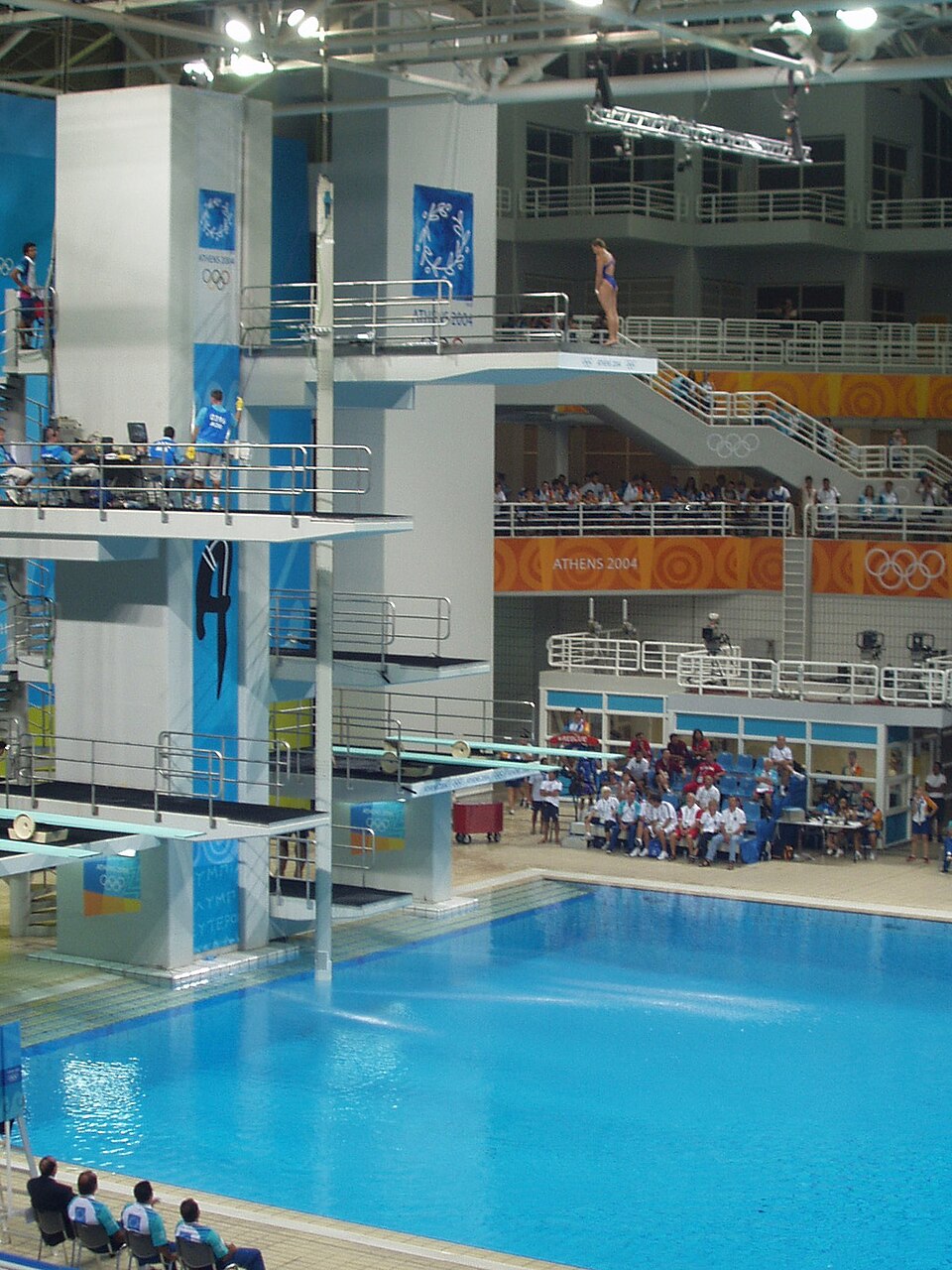
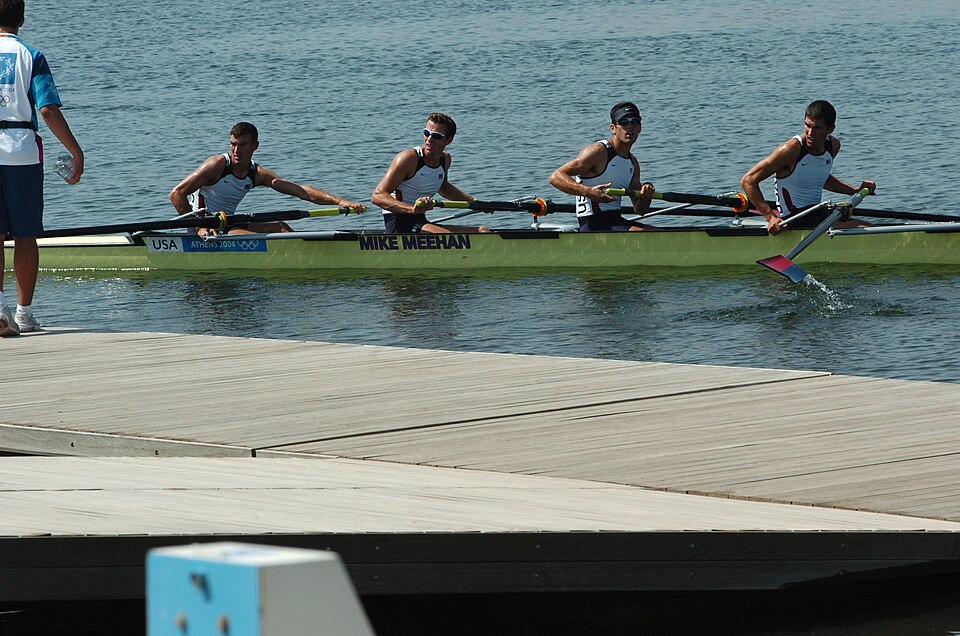
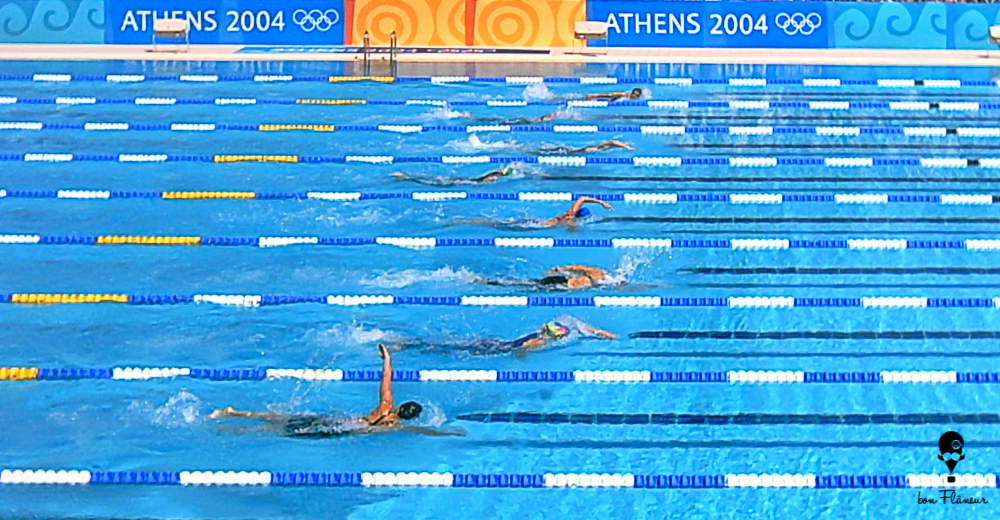
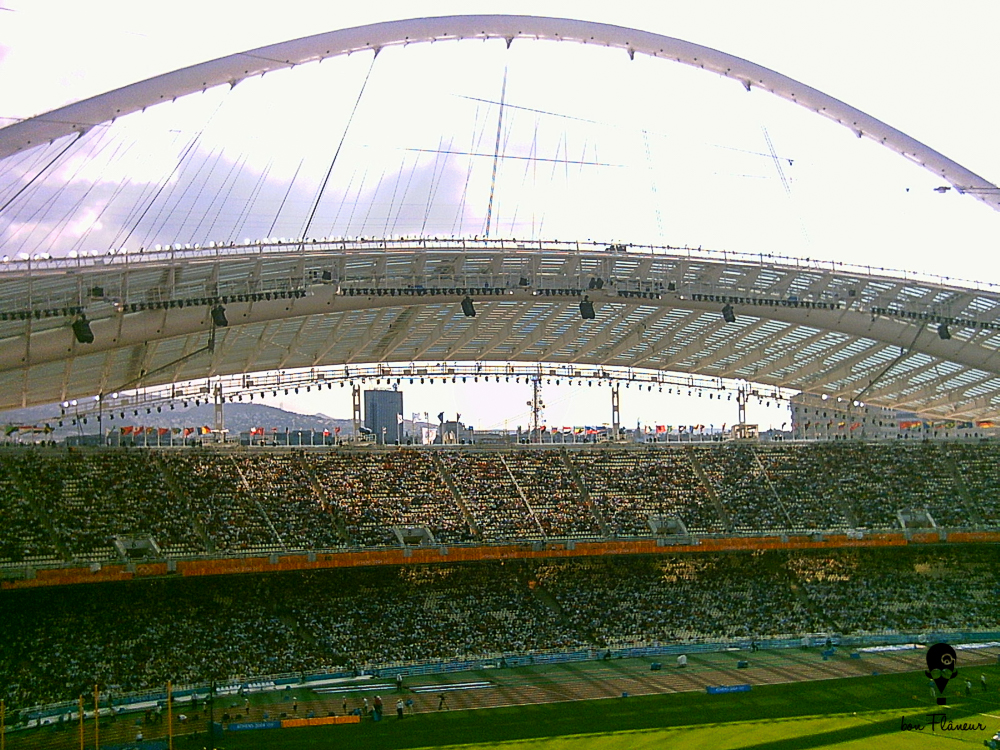
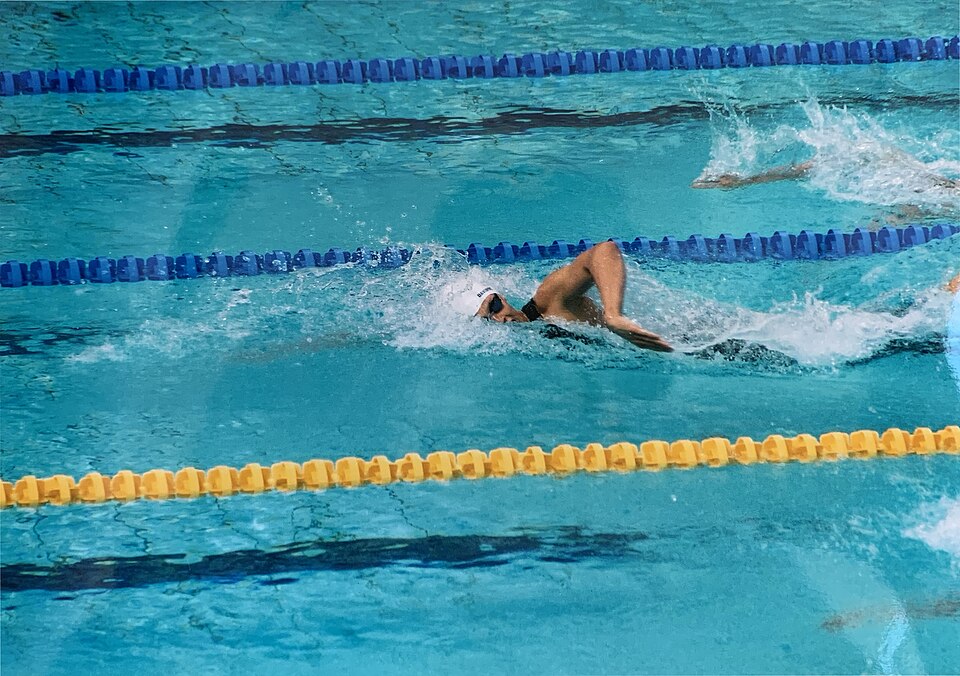
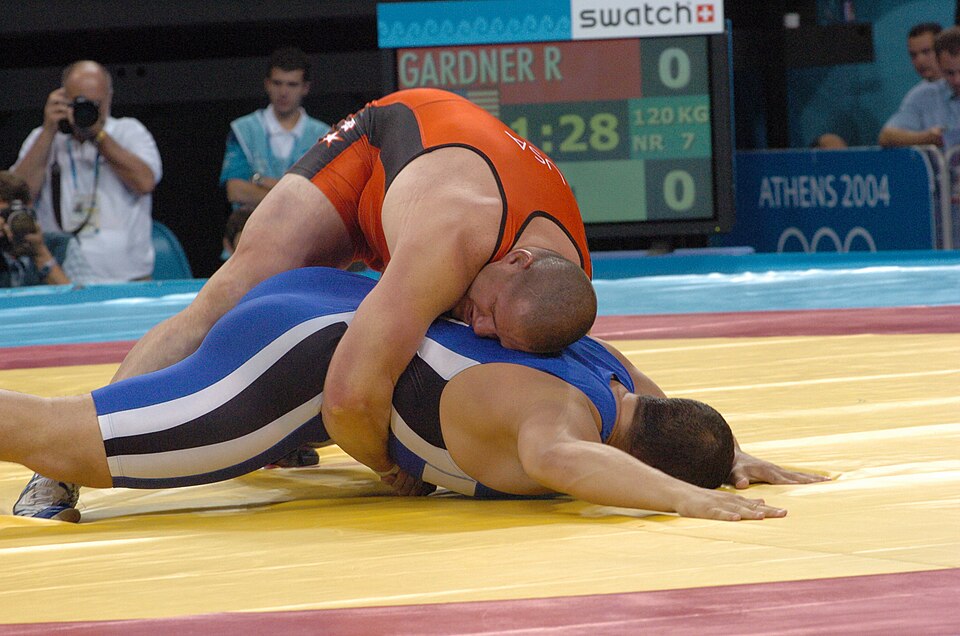
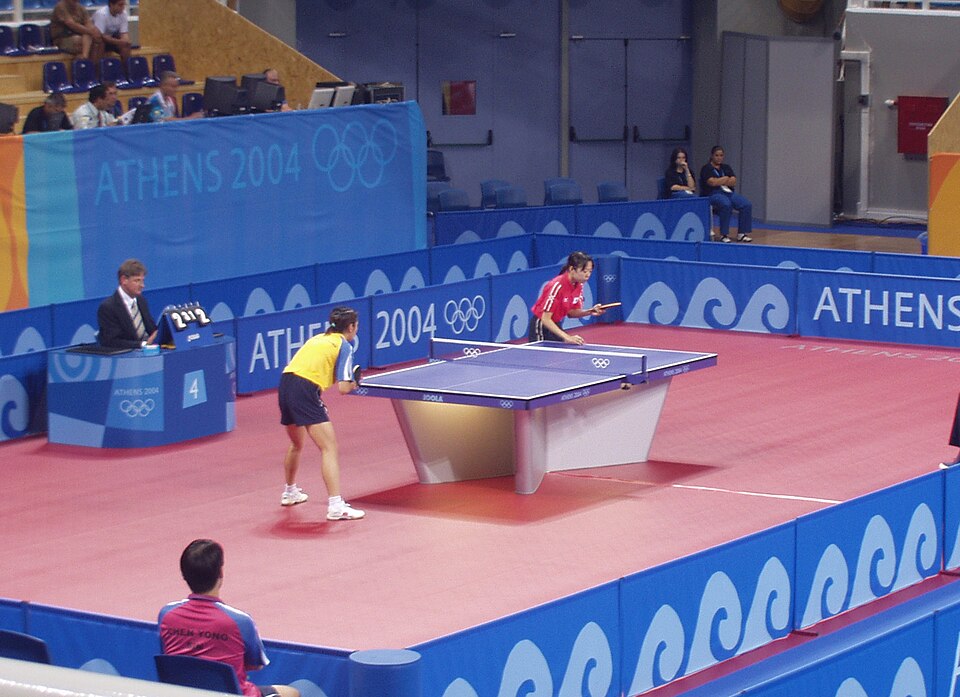
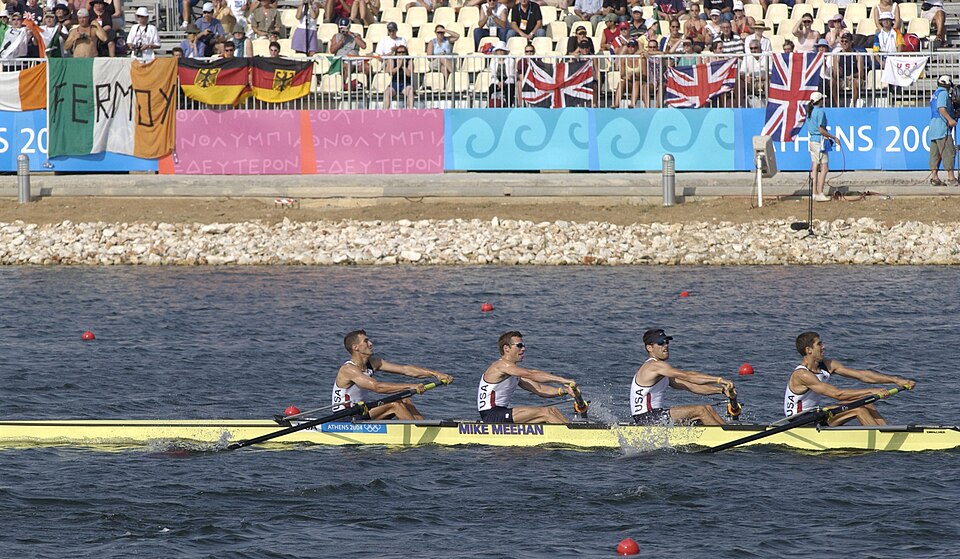
What I can see
It was September 5, 1997, when the president of the International Olympic Committee Juan Antonio Samaranch announced Athens as the winning city for the organizing of the 2004 Olympic Games and celebrations erupted throughout Greece. Indeed, the “dream” became true 7 years later. This “dream” lasted 16 days and Athens hosted 10,265 athletes from 202 countries who competed in 28 sports. Although the organizing mainly concerned the city of Athens, it was a collective Greek effort and other Olympic cities participated, such as Thessaloniki, Patras, Volos and Heraklion with the Kaftanzoglio, Pampeloponisiako, Panthessaliko and Pankritio stadiums respectively, where the qualifying and semi-final football matches were held.
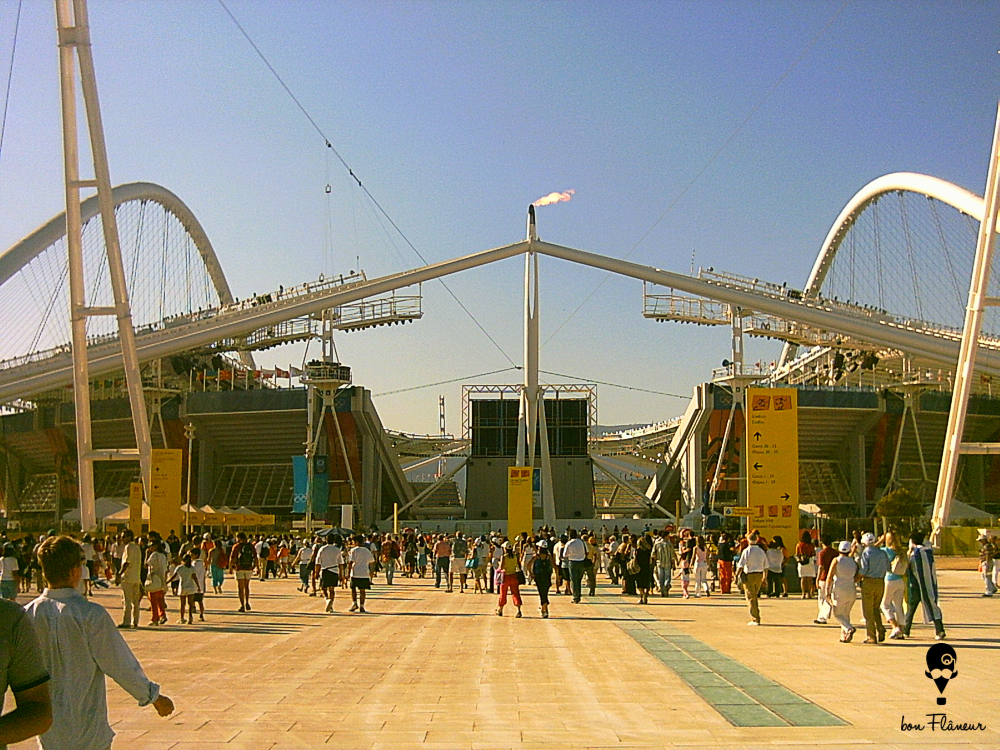
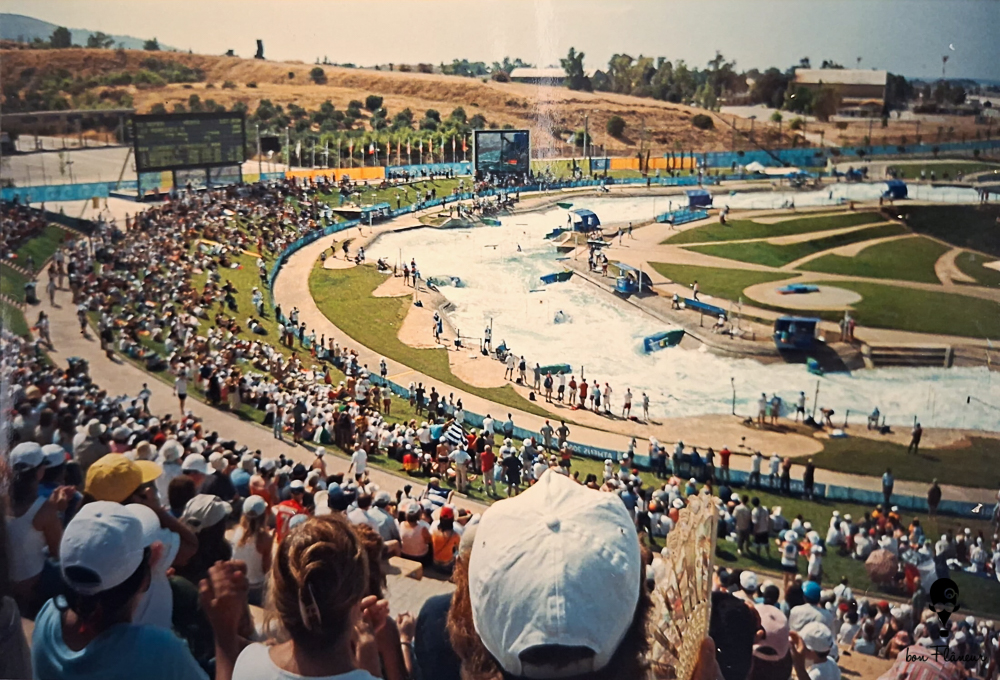
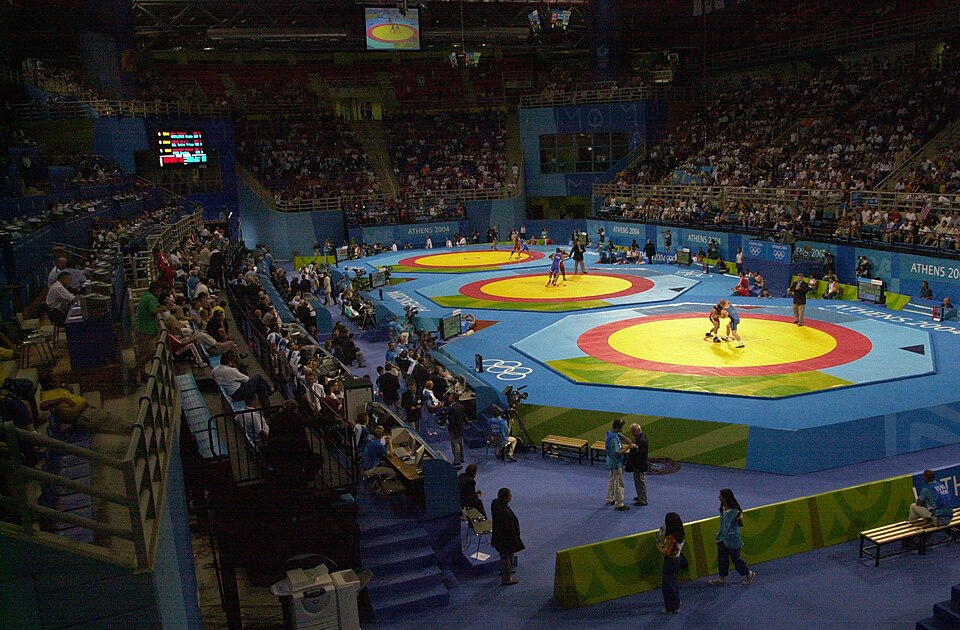
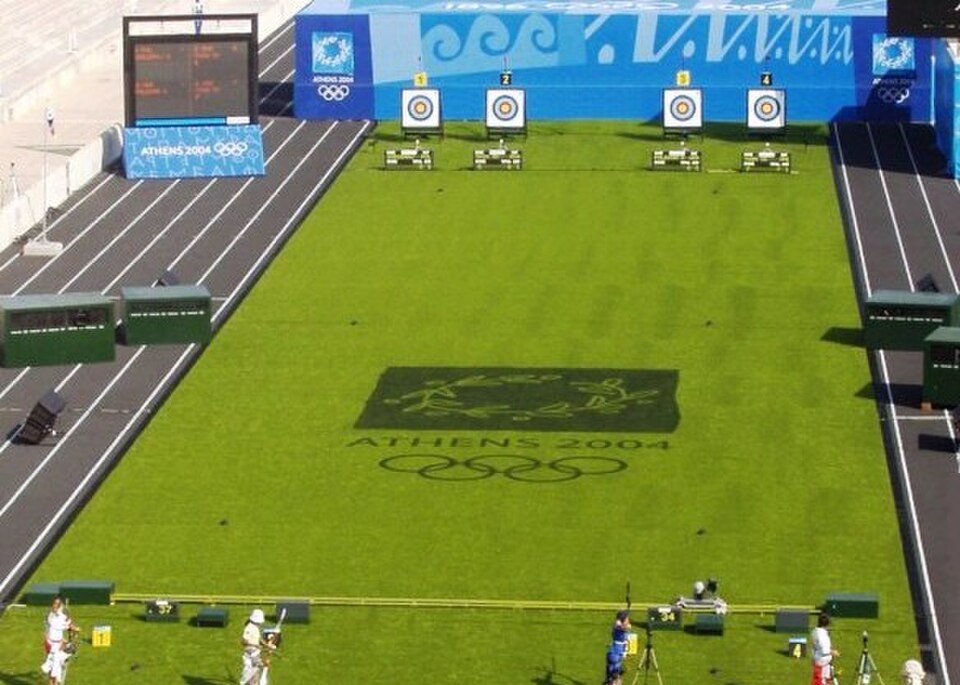
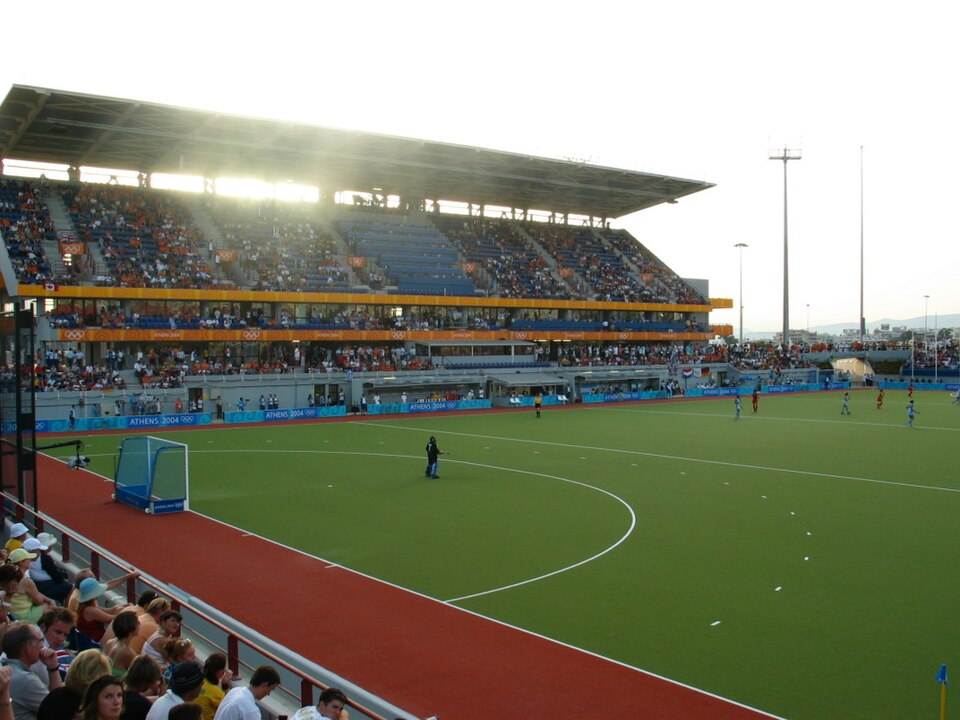
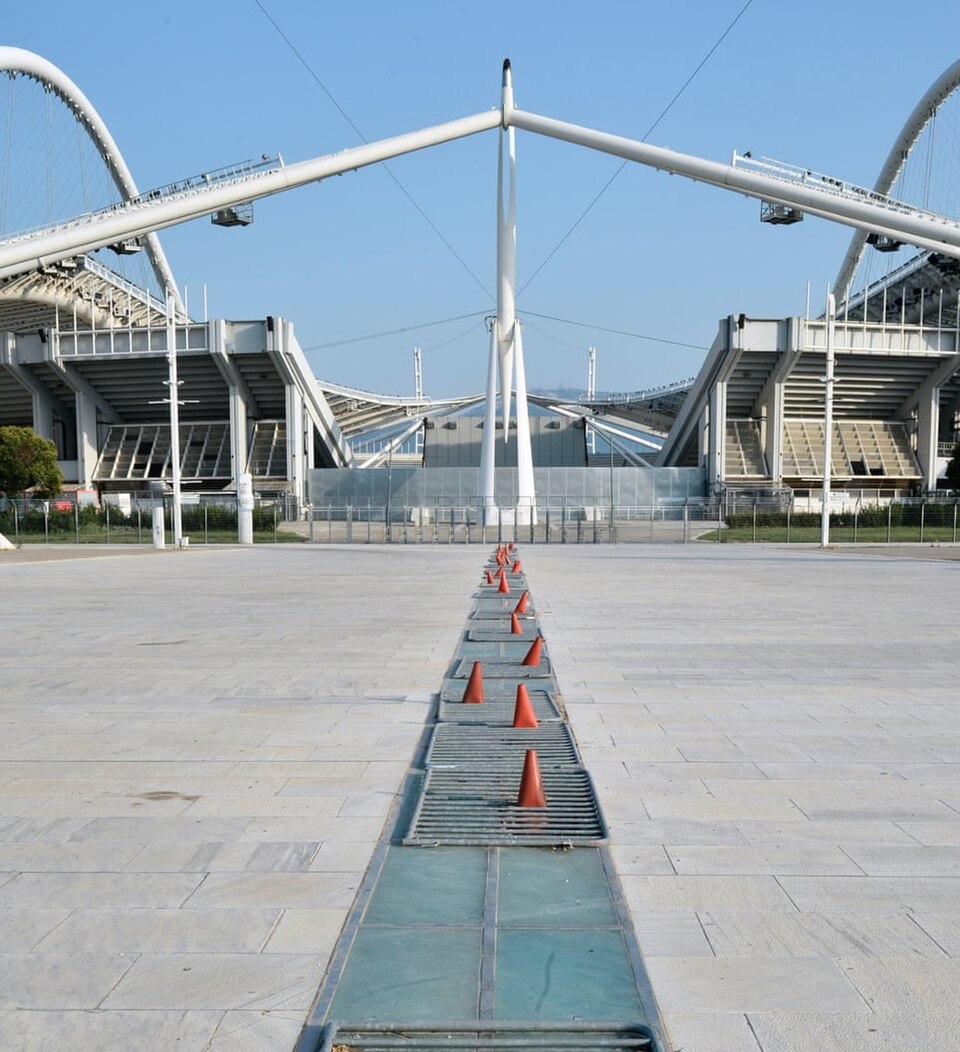
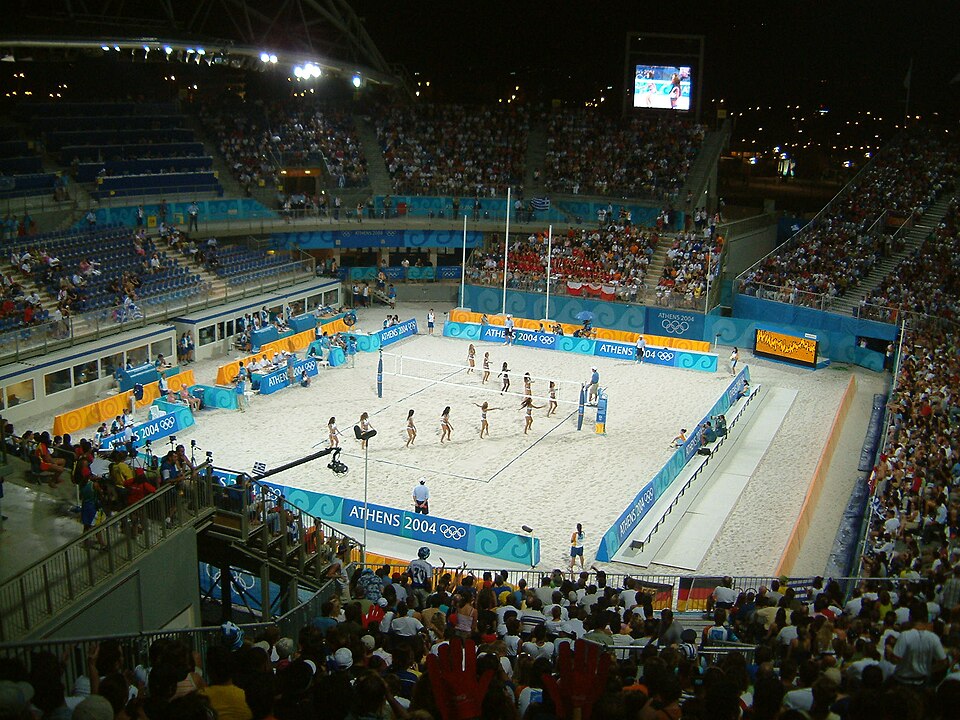
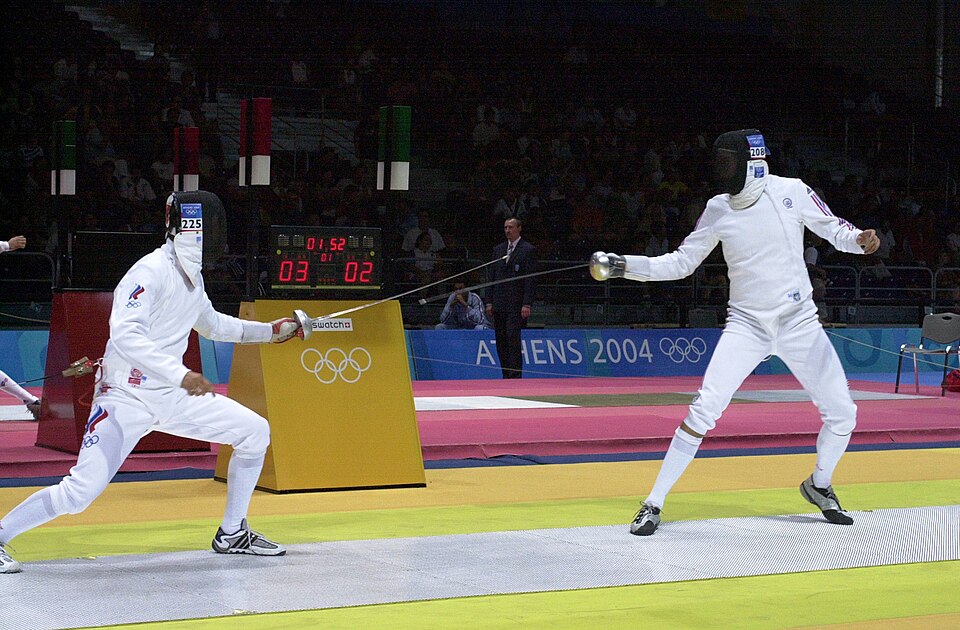
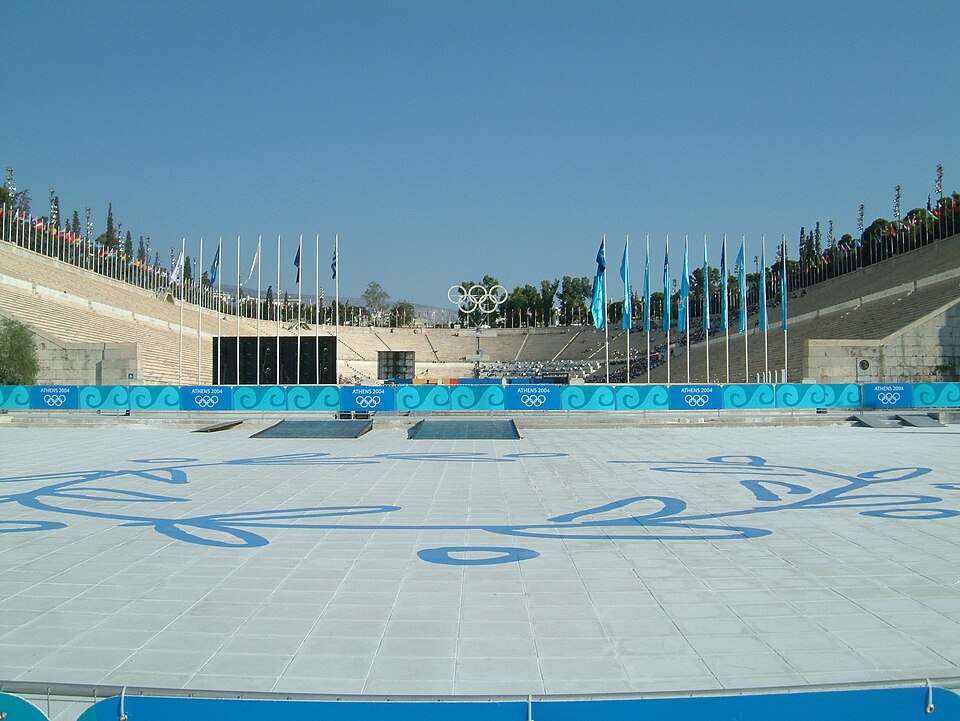
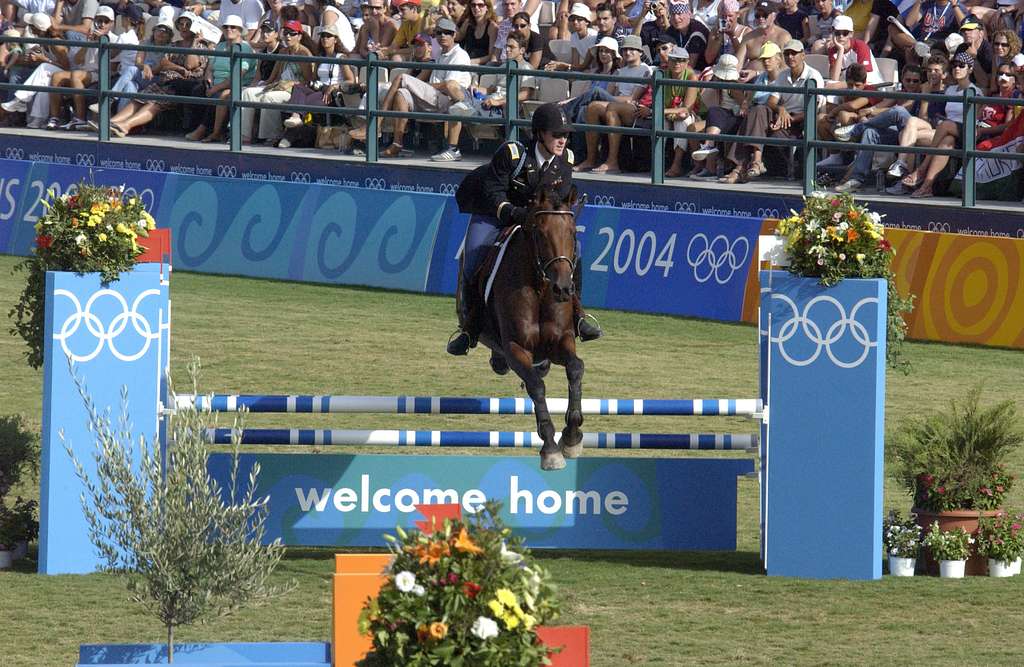
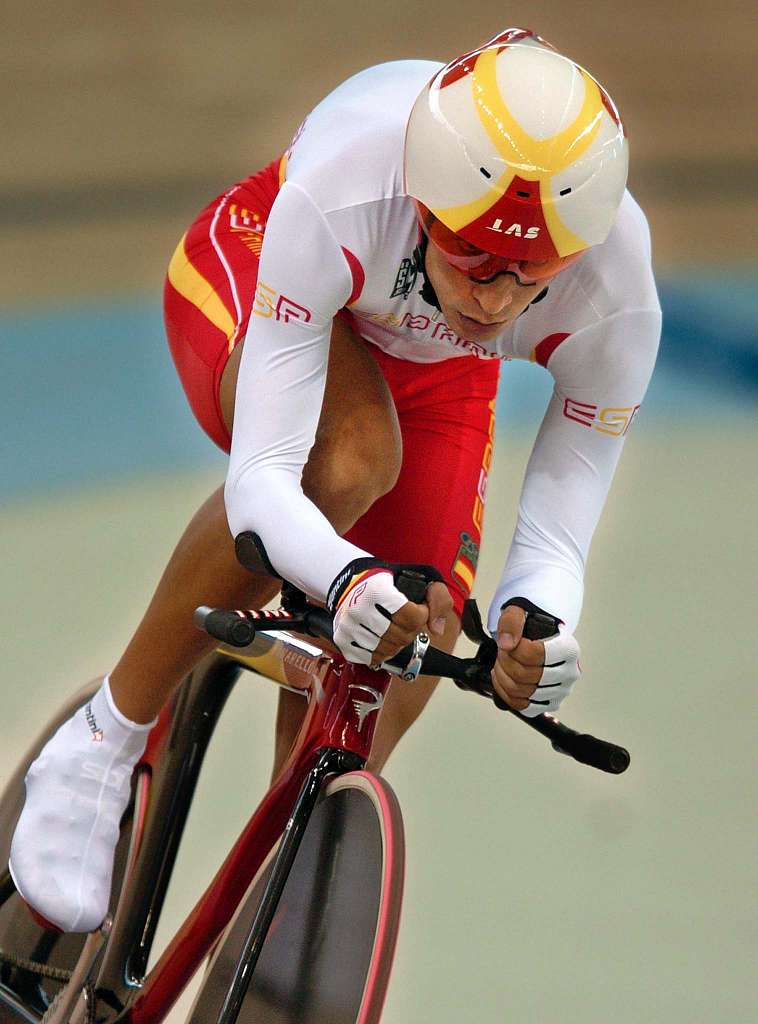
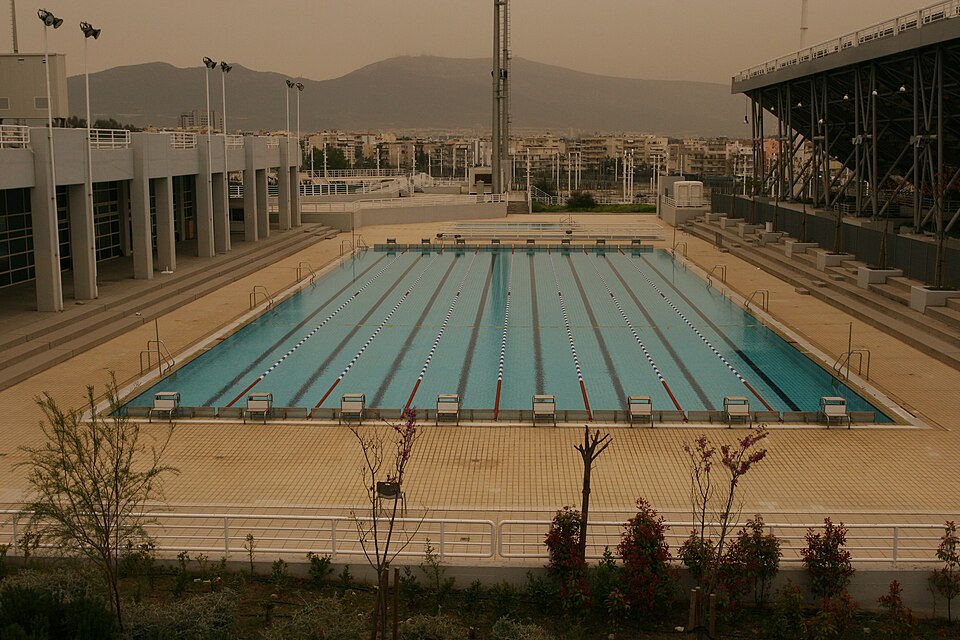
The Olympic Games were held in a total of 37 sports venues. In the centre of Athens, archery and the marathon were held at the Panathenaic Stadium, while the endurance cycling in the city centre had the Acropolis as a unique background. A little further from the city centre, the modern pentathlon and badminton were held at Goudi Park, table tennis and rhythmic gymnastics at the Galatsi Olympic Hall. The heart of the games, however, was at the Athens Olympic Sports Centre (OAKA), where most of the sports were held, such as athletics, aquatics, tennis, gymnastics, trampoline, basketball and track cycling. Another Olympic “pole” was located in the Hellinikon area, where basketball, handball, fencing, hockey, canoe kayak slalom, softball, baseball and sailing competitions were held. Volleyball, beach volleyball, handball, Tae Kwo Do and football were held in the Faliro sports facilities. Weightlifting, judo, wrestling, and boxing were held in the western districts of Athens and mountain biking on Mount Parnitha. Eastern Attica hosted the sports of rowing, canoe/kayak sprint, equestrian games, shooting and triathlon. Among the important Olympic facilities also were the Olympic Village, the Press Centre and the press villages. The shot put event was held in Ancient Olympia, the birthplace of the Olympic Games, with total respect for the archaeological site, without modern logistical interventions. The only event that overshadowed this unique atmosphere in Ancient Olympia was that the winner Irina Korzanenko from Russia was found positive for a banned substance and was stripped of her medal. The marathon was an equally unique experience. The marathon runners experienced the authentic course, finishing at the Panathenaic Stadium, an archaeological site and the location of the 1896 Olympic Games revival. An Irish spectator, who afterwards proved to be in a very sensitive psychological condition, invaded the course, obstructing the Brazilian Vanderlei Lima, who was leading and ultimately finished third.
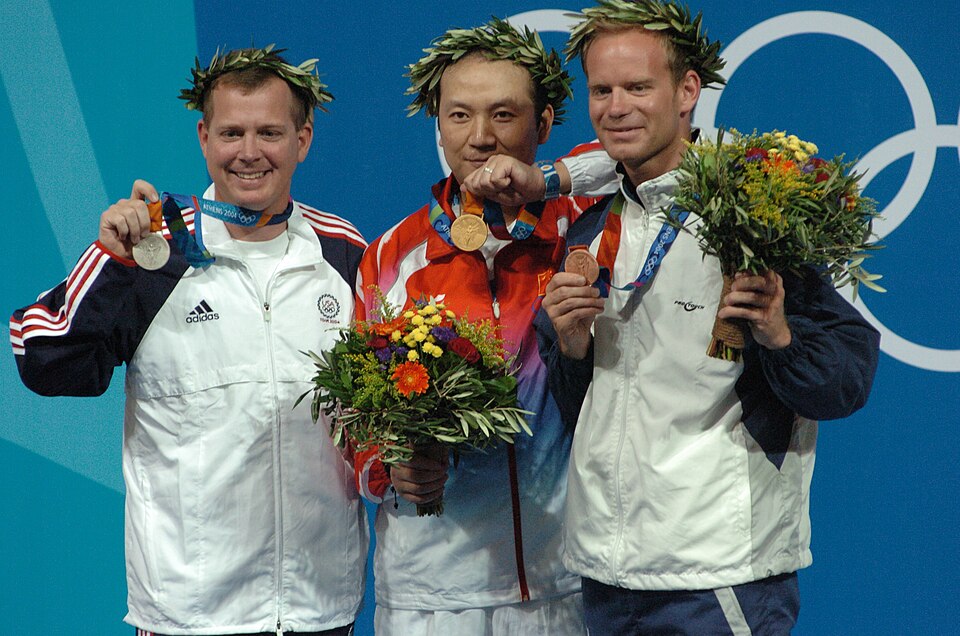
If we could summarize the 2004 Olympic Games in numbers, 929 medals were awarded, won by 75 countries out of 202 participants. Paraguay and Eritrea won their first Olympic medals at these games, while the United States was first in the medal table, followed by China and Russia. Israel, Chile and the Dominican Republic won their first gold medals in the history of the Olympic Games. 13 kilograms of pure gold, 1 tonne of silver and 1 tonne of copper were used for the medals construction. The Olympic flame traveled for 78 days to 27 countries, for the first time to all continents, and 12,102 torchbearers and over 2,000 escorts participated. The authorized participants of the games – from athletes and coaches to guests and volunteers – were 193,341, with 39,494 being volunteers and approximately 20,000 being journalists and technicians from all over the world, who stayed in press villages, tourist resorts, hotel units and student dormitories. The unique value of the Athens Olympics is also evident from the hours of television coverage, which broke all records. NBC alone reached 806.5 hours, while in Sydney it was 441.5 hours and in Atlanta 171.5 hours. For the first time, there was twenty-four-hour television coverage of the games either live or recorded and no sport was exempted. 5,300,000 tickets were available on the market. Excluding the opening and closing ceremonies, the most expensive tickets for premium seats were in track and field and basketball (300 euros), followed by swimming, volleyball and gymnastics (200 euros), diving (190 euros), boxing (180 euros), football and tennis (140 euros) and synchronized swimming and polo (120 euros). In contrast, the cheapest tickets were 10 euros for first-day qualifiers in badminton, table tennis, equestrian triathlon, canoe/kayak sprint and slalom, rowing, baseball, softball, volleyball, track and field, football, archery, handball and hockey. The Greek team included 441 athletes, ranked 15th in the gold medal standings and 17th in the total medals, winning 16 medals (6 gold, 6 silver and 4 bronze), the largest number of medals ever won by Greece.
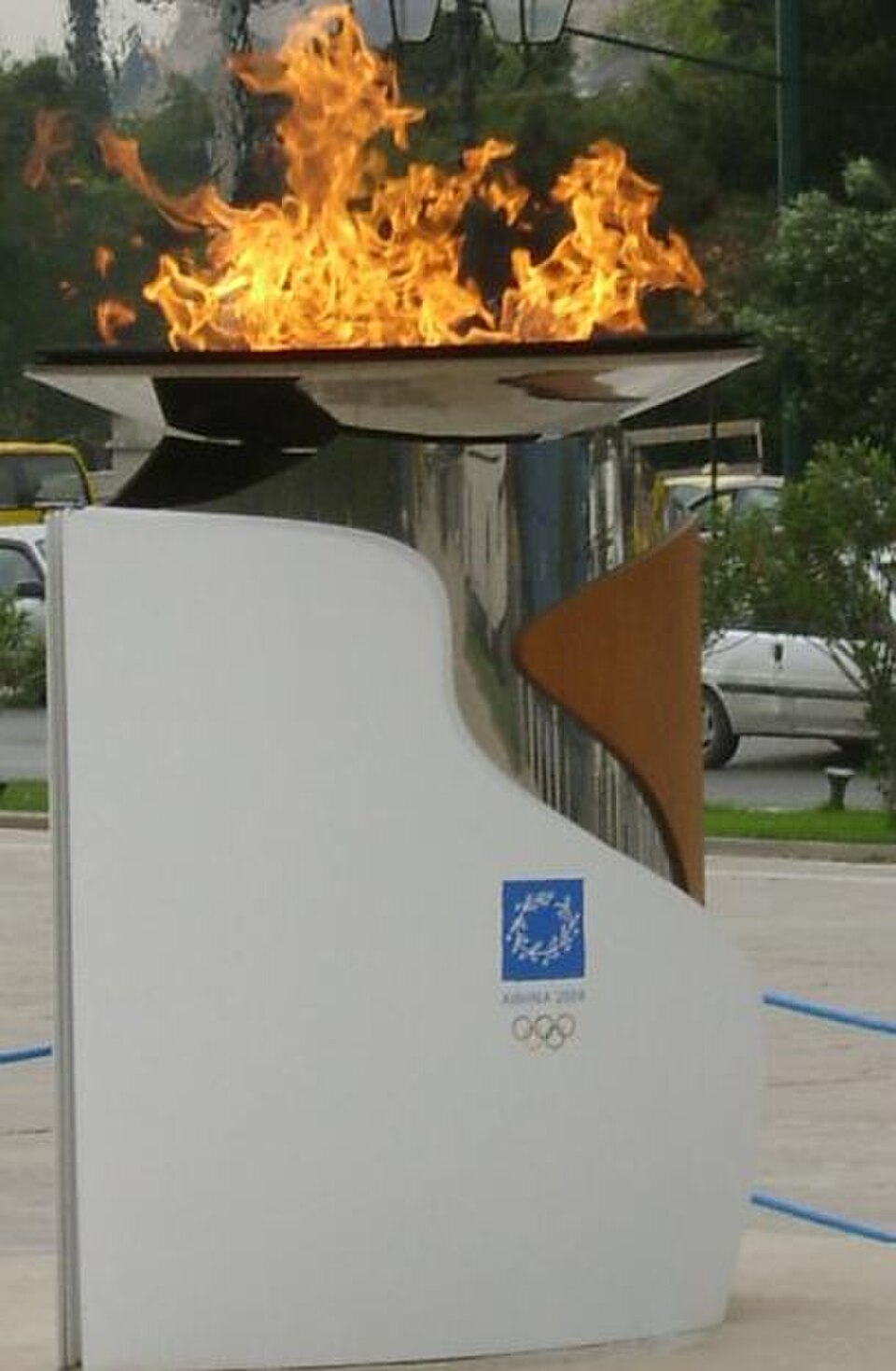
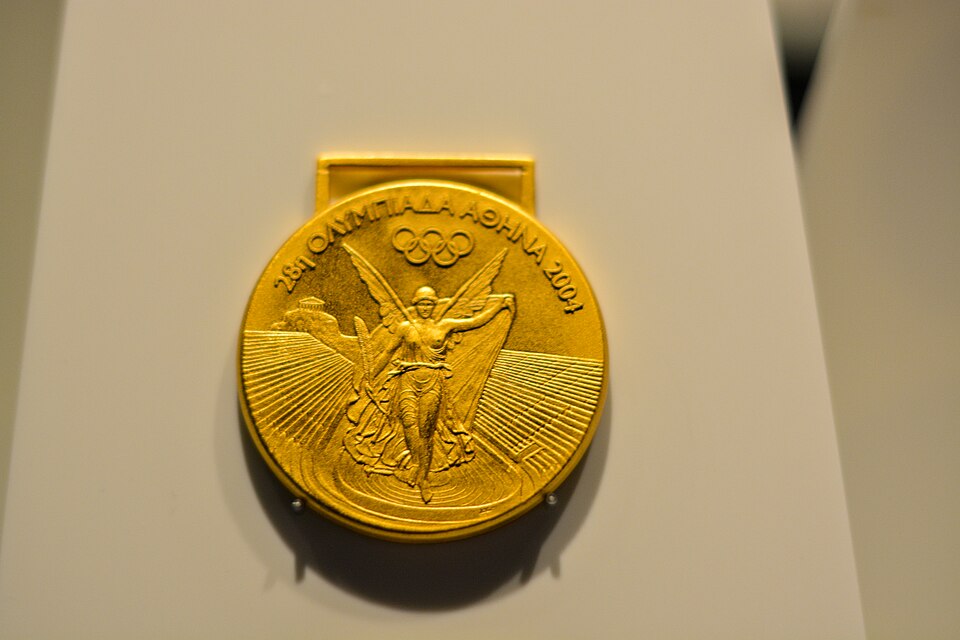
The emblem of the 2004 games could not be other than the olive branch. Phoebus and Athena were the mascots of the games, designed by Spyros Gogos and 6 of his colleagues from the advertising company Paragraph Design. The creators were inspired by the ancient Greek dolls of the 7th century BC. The Olympic torch had minimalist lines, was designed by Andreas Varotsos and the same torch was also used in the Paralympic Games. The use of metal and wood symbolizes the balance between man and nature and the shape refers to an olive leaf. It was designed so that it does not emit black smoke, does not go out in severe weather conditions and lasts at least 20 minutes. As for the medals, one side depicted the statue Nike of Paeonios inside the Panathenaic Stadium and with the Acropolis in the background. This design remained and remains on one side of the medals in the following Olympic Games to this day, with very mild adjustments, such as the addition of the Eiffel Tower in the background on the medals of the Paris 2024 games. The other side of the Athens medals included the flame of the torch relay, verses from the 8th Pindaric Ode and the emblem of the 2004 Olympic Games.
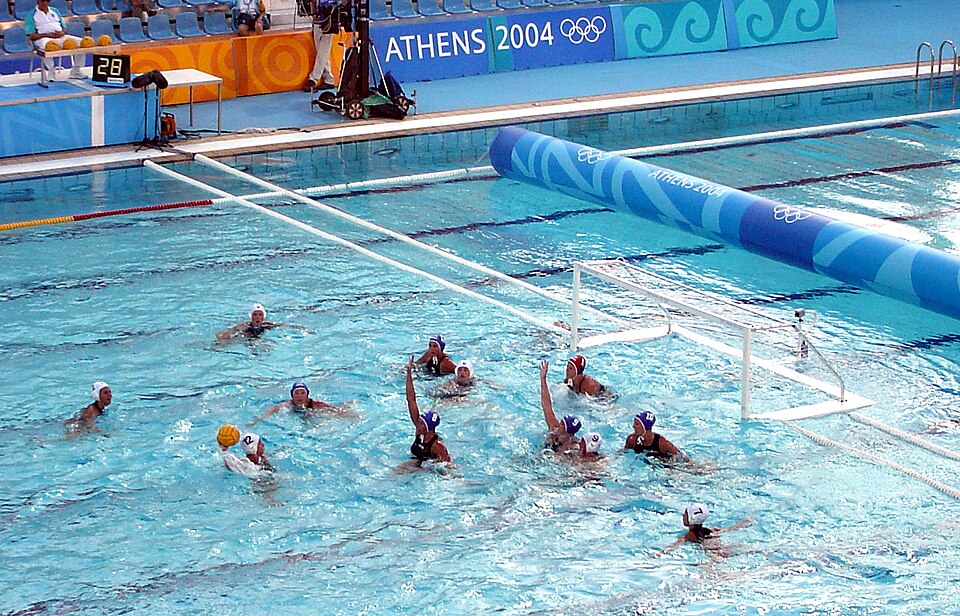
The great moments of the games were countless. If we had to single out some, we would have to mention the Moroccan Hicham El Guerrouj, who in just 4 days won gold medals in both the 1500m and 5000m. This had not happened since 1924 in Paris, by the Finnish Paavo Nurmi, at a time when athletic performance was not as high. Being also a 7-time world champion, Guerrouj is rightly considered to be the top middle-distance runner in the world to this day. Greece was represented and won medals by great athletes, such as Pigi Devetzi, Sofia Bekatorou, Dimosthenis Tabakos, Alexandros Nikolaidis and the women’s polo team. The hearts of the Greeks, however, were stolen by the emotional finale of the gold medalist in Barcelona, Atlanta and Sydney Pyrros Dimas, who won the bronze medal in Athens. Similar emotions were also caused by the three-time gold medalist in weightlifting Akakios Kakhiasvili, who failed to win his fourth medal at the end of his career. This did not stop the 5000 spectators from giving him an ovation for several minutes, as in an emotional “farewell”. Greeks were also proud for the gold medalist in Atlanta in sailing Nikolaos Kaklamanakis, who won the silver medal in Athens, the last Olympic medal of his career. Different were the feelings for Sydney gold medalists Katerina Thanou and Kostas Kenteris, who, shortly before the start of the games, avoided doping control, citing a car accident and were disqualified from the games. Many believed that the two athletes were targeted, but their attitude was considered frivolous and embarrassed the country at its most important moment. Nevertheless, in an emotional moment, Greek spectators rhythmically chanted their names in the stadium, shortly before the start of the 200m, thus delaying the race. The top figures of the games also included American swimmer Michael Phelps with 6 gold and 2 silver medals and Russian pole vaulter Yelena Isinbayeva, who started with the first world record and gold medal at 4.91m and then broke the record 28 times, reaching 5.06m. She was the first woman to surpass 5m and was called the “tsar of the skies”. At the Rio Olympics (2016), she was disqualified, as was the entire Russian team, due to a doping scandal. Since then, the collapse of her career began, which was intensified by statements of absolute support for the Putin regime. The “tombstone” in her career came with the infamous statement: “If you look at the big picture, you will understand that when you compete without Isinbayeva, you are not going to win a real gold medal.”
The Athens Olympic Games left a rich tangible and intangible legacy that will be further discussed. In addition to the sports facilities, many infrastructure projects improved the quality of life in the city, such as the development of the metro, tram, and suburban railway networks, construction and widening of highways, development of a modern national road network, upgrading of urban infrastructure, sidewalks and equipment, upgrading of hospitals and sports venues, regeneration of the Athens centre and the unification and highlighting of archaeological sites through a unique promenade, upgrading of museums and many more projects. The only sector pushed to the margins was the environment, as contractors did not prioritize green projects and the felling of trees was not replaced by an equal number, nor sufficient replanting was carried out.
What I can't see
The 1990s marked the second phase of the so-called cultural epicenters, an era of the so-called “mega events”. Various cultural events such as the European Capital of Culture (e.g. Thessaloniki 1997) and the large-scale constructions for the Olympic Games (e.g. Barcelona 1992, Sydney 2000) or other major international competitions (e.g. World Athletics Championships, Athens 1997) are considered major global events, which contribute to improving the image of the city and the country hosting them. The third phase is the subsequent exploitation of these spatially concentrated facilities, which focuses on the development of similar activities, the international visibility and attractiveness of cultural and entertainment centres (e.g. South Bank, Hoxton- London, Old Royal Stables- Vienna, Museums and exhibition spaces in Rotterdam) and the creation of ethnoscapes, such as Chinatowns in many cities in the Western world. Did the Athens Olympics achieve this goal and if so, to what extent?
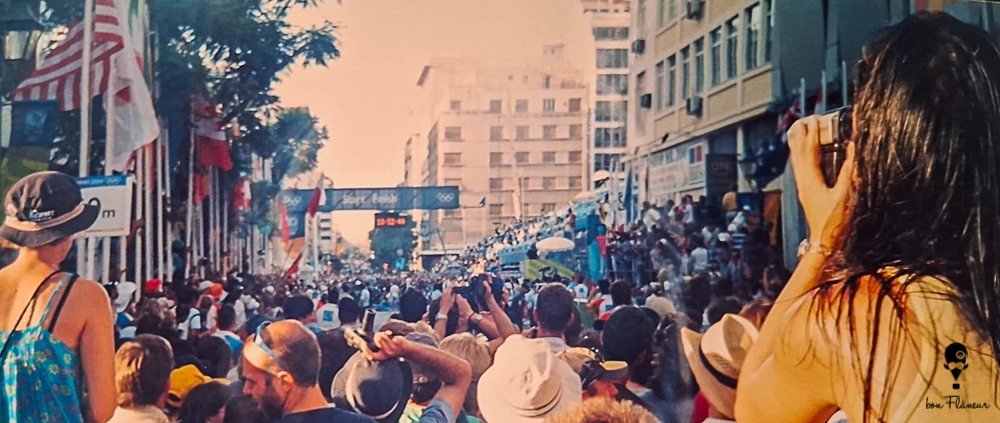
For many years and even days before the games, Greece was mercilessly attacked by the international press for its preparation and ability to carry out such a demanding event, but not entirely unjustifiably. Reality, however, proved everyone wrong. The athletes themselves described the experience of competing in the birthplace of the games as something unique. The international media made a U- turn saying “Dear Greece, sorry and thank you” (Detroit Free Press), “Sorry for everything, we were fools” (CNN), “Greeks turned a disaster into a triumph” (Independent), “Thank you! A nervous crowd learned the Greek word and repeated it during the stunningly successful Athens Games that allayed fears, surprised doubters and honoured the birthplace of the Games” (Associated Press). The first rave reviews were made from the very first day, with the BBC calling it “a lavish opening ceremony,” Reuters calling it “the greatest spectacle on Earth,” and CNN calling it a “Stunning start to the Games.” Peter Ueberoth, president of the U.S. Olympic Committee, said: “Greeks proved the Cassanders wrong. Despite the criticism, the Olympic family learned a great lesson. The Athens Olympics are among the best in history, if not the best. On behalf of the United States Olympic Organizing Committee and the American people, I want to thank the citizens of Athens and the Greek people for the tremendous gift they have given us. It was an amazing event in every way.”
Among the positive results of the Games were also the parallel cultural events throughout the city, which were innumerable, giving the feeling of a never-ending celebration. This was the culmination of the Cultural Olympiad, which had begun in 2001 with a program of cultural events approved by the IOC. On the positive side also was the exemplary operation of institutions and services (e.g. public transport). Most importantly, however, is that international fear of a terrorist attack was allayed, as the Athens Games were the first after the September 11, 2001 attacks in New York, while domestic terrorism had also been dismantled shortly before the games. This was perhaps the most common element between the 1896 and 2004 Athens Olympic Games. Both were held in a climate of doubt and crisis, ultimately turning the tables. The vast majority of Greeks considered the event a success, including even the Greeks that were previously more skeptical.
The Games left not only a material legacy, but also an intangible one, such as the interest in sports, the sense of community and contact with foreign cultures. The organizing of the games did not only bring changes to the city, but also favoured the development of laws and institutions, especially those related to sports, not only in Greece, but also in the European Union as a whole, which had recently acquired a unified community law (later known as EU law). We cannot know with certainty the intangible imprint of the Games on the younger generations, but it is no coincidence that sports and cultural clubs developed, despite the years of economic crisis that followed. Moreover, it is probably not a coincidence that Greece had 12 million foreign visitors in 2003 and 25 million in 2015. People from all over the world became “ambassadors” of Greece on the occasion of the Olympic Games, and despite the years of economic crisis that followed and the humiliating articles about Greece and other countries experiencing similar crises, nothing stopped people from visiting Greece and getting to know it better.
Despite subsequent studies by FEIR, GSGW and the University of Oxford, which concluded in specific amounts regarding the cost of the games, many politicians and media often still cite vague amounts, implying the unbearable cost for the Greek economy, but ignoring the public investments in a short period of time and the international promotion. All this, however, does not mean that the event was something simple and innocent.
Until the Los Angeles Olympics in 1984, the games were unprofitable. Since then, sponsors have taken a more active role and television rights have skyrocketed. This fact created a strong incentive and the interest of the cities has increased dramatically, a phenomenon also known as the “commercialization of the games”. This commercialization also includes the volunteers, who were the driving force of the event, as they helped athletes, visitors and spectators and contributed from every position, always with a smile. Despite the right criticisms about facilitating the profit for sponsors and contractors that the unpaid work of volunteers offers, the profit of a spontaneous spirit of collective effort cannot be ignored. In this area, Greece did exceptionally well, winning perhaps the most important of its “medals”, with 160,000 volunteer applications, not only from every corner of Greece, but also from abroad. Inspired by antiquity, volunteering began with the first “messengers” as early as 2001. 23 Olympic champions started from Thessaloniki and continued in Volos, Patras and Heraklion with workshops related to the Olympic Games and volunteering, while the Greek Organizing Committee made similar contacts in Cyprus.
The Athens Games brought a change of mentality to some extent, namely that urban development and the environment must go together, so that it is sustainable. However, implementation is far from what is sometimes desired. The limited funding and the lack of experience on behalf of the Greek architects of the time in urban regeneration left some projects unfinished (e.g. Pireos Street and the Sacred Way). Some projects that were put on hold at the time (e.g. undergrounding Poseidonos Avenue, creation of the Metropolitan Park of Faliro) are being implemented these days.
The state of the art facilities remained unused for many years. The utilization of the vast majority of them took place many years later and after their value had plummeted due to damage and the economic crisis. Some facilities were demolished in favour of other investments (e.g. in Hellinikon) and some were given to clubs and individuals to house services, with their maintenance remaining a challenge. The post-Olympic use of the facilities is generally a great challenge for any organizing city and in Greece, the concern was bigger, due to the high maintenance costs.
It was not only the post-Olympic use that caused concern, but also the cost of the Games, which was adjusted upwards by 600%. According to critics of the Games, these adjustments benefited sponsors and contractors. Although the cost was initially estimated at 7 billion euros and the profit from revenues (e.g. tickets, television rights) was higher, the additional 1.3 billion euros in parallel public works were not taken into account. According to the studies of the entities mentioned earlier, the final cost of the games reached 8.9 billion euros, with a supplementary budget of 2.09 billion, however, in addition to the profit from revenues, many projects were directly attributed to society, such as the upgrading of hospitals.
The negative points of the Games were also the fact that expensive facilities were built for sports that are not popular in Greece (e.g. Softball) and the presence of spectators was limited. The most negative, however, was the environmental footprint, despite the assurances of “green games”. According to the WWF environmental assessment, the event received only a score of 0.77 out of a possible 4.
Although the International Olympic Committee would like to see smaller, more human-scale games that are aligned with the spirit of the ancient Olympic Games, this is not possible. It is a global commercialized event with many sports and demanding facilities. The Olympic Games are also always an occasion for extensive public investment. Thus, the IOC also aspired for the Athens Games not to be “gigantic”, but in the end they were. This may have also been due to the desire of Greeks to highlight modern Greece and at the same time underline that the Olympic Games are a primarily Greek affair, as their heritage and history dictate. The slogan of the games, after all, was not by chance “Welcome Home”.
One could say that the “Achilles heel” of these Olympic Games was that Athens did not set a clear post-Olympic goal and therefore there was no coherent post-Olympic plan. Therefore, the momentum of this great event was not fully utilized.
Many people in and outside Greece blame the Olympic Games for the crisis that followed. Indeed, organizing mega events is a difficult task, especially for regional economies, and no one can know for sure whether there were financial abuses during the projects. Their commercialization is still a fact and is structured on the principles of modern capitalism. Nevertheless, targeting the Games as the cause of the subsequent economic crisis is certainly a naive or cunning approach, because in this way, the chronic pathologies of the Greek economy, the phenomena of corruption, the ruthless methods of modern domestic and international capitalism, which exploited the Greek economic crisis to the fullest, are dangerously ignored. Even mathematics does not favour the above narrative. An event with a cost of approximately 10 billion euros cannot be responsible for a public debt of over 300 billion euros at the end of the same decade. If for someone the Athens Olympics constitute a “convenient alibi” for all of the above, the only things that cannot be questioned are the complete lack of willingness for self-criticism and the normalization of domestic and international profiteering to the detriment of states and their citizens.
Here are some highlights of the Athens 2004 Olympic Games:
Bibliography
Konstantinou V., (2008), Ολυμπιακοί Αγώνες «Αθήνα 2004», από την αναβίωση μέχρι σήμερα, [Olympic Games “Athens 2004”, from the revival to the present day] masters dissertation, Thessaloniki, AUTH: Department of Physical Education and Sports
Kyriakou Z., (2003), Ολυμπιακοί Αγώνες, η γέννηση, η αναβίωση, η επιστροφή, [Olympic Games, the birth, the revival, the return], Dimosiografiki Epitheorisi, Taxideftis
Lakopoulos G., (2025), Η μπαλάντα των Ολυμπιακών Αγώνων, τα πρόσωπα, η λάμψη, οι σκιές και η Γιάννα Αγγελοπούλου, [The ballad of the Olympic Games, the people, the shine, the shadows and Gianna Angelopoulou], Livanis Publications
Lothanos A., Robolas G., Synadinou E., Tsompanis P., (2024), Ολυμπιακοί Αγώνες, 100 μεγάλες στιγμές, [Olympic Games, 100 great moments], in Kathimerini, p.p. 160- 169
Loukaitou- Sideri A., (2006), Πολιτιστικά τοπία και πολιτιστικές στρατηγικές: Η αμερικάνικη εμπειρία, [Cultural landscapes and cultural strategies: The American experience], in Gospodini A., Bieratos I., (2006), Τα νέα αστικά τοπία και ελληνική πόλη, [The new urban landscapes and the Greek city], v.1, Kritiki
Smith L.M., (2004), Οι Ολυμπιακοί Αγώνες του 1896 στην Αθήνα, η γέννηση των σύγχρονων Ολυμπιακών Αγώνων, [Olympics in Athens 1896: the invention of modern Olympic Games], Estia Bookstore
Telloglou Τ., (2004), Η Πόλη των Αγώνων, [The City of Games], Estia Bookstore
Trova E., Skouris P., (2004), οι Πρώτοι Ολυμπιακοί Αγώνες της Ευρώπης, [The First Olympic Games of Europe], Metamesonykties Publications
Location
Timeline
Modern and Contemporary era (1821 - )
2003 In November of that year, just a few months after the US invasion in Iraq, the UN General Assembly unanimously adopted the Olympic Truce resolution, which called on all states to refrain from any hostilities during the Olympic Games.
2004 The games took place from 13th to 29th of August.
2014 With a 10-year delay, the Historical Archive of the Games was created; a digital library with 345,000 digital files, 2000 original editions in a physical library and 250 original objects.

Share